
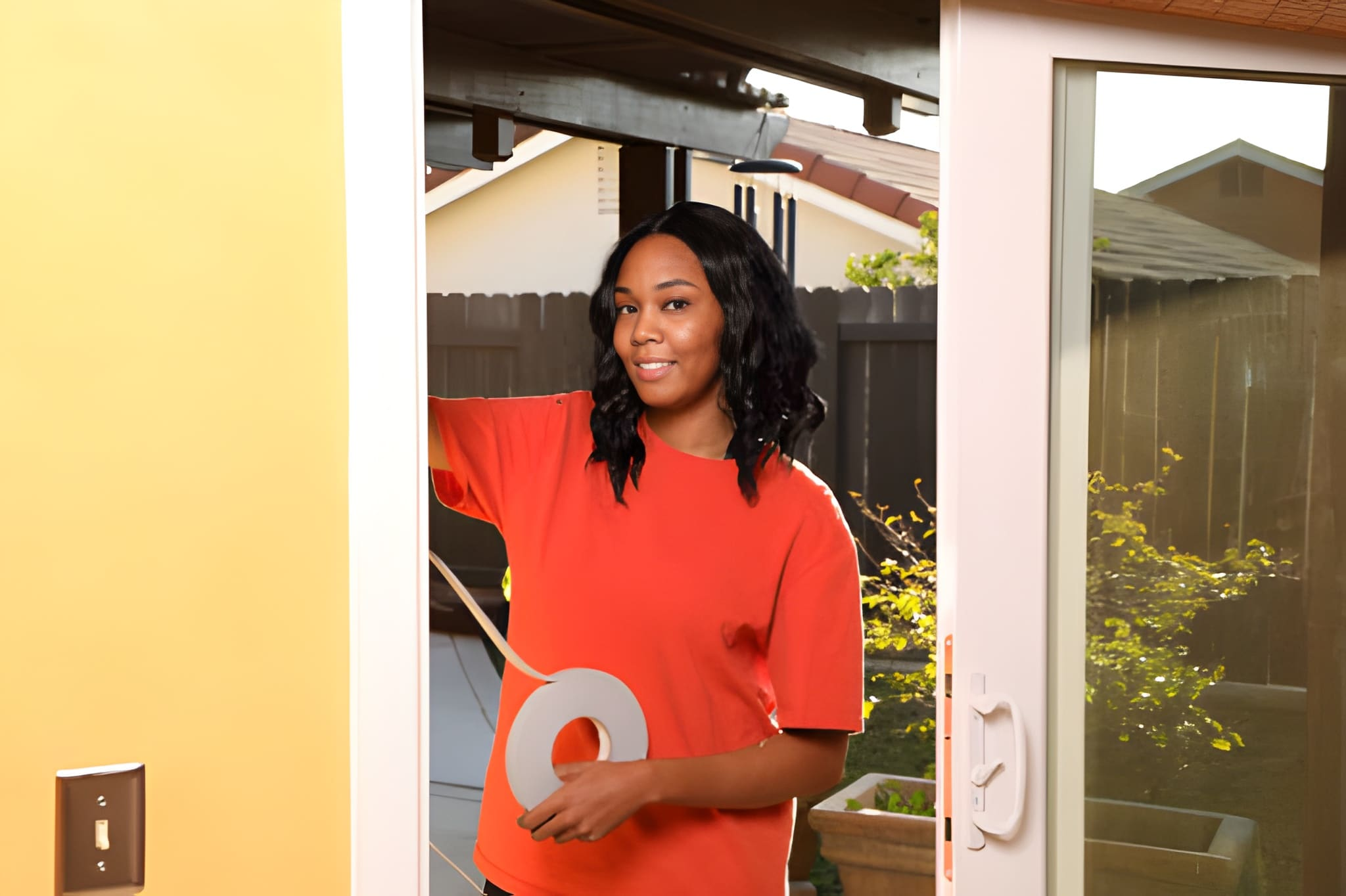
A Complete Guide To Weatherstripping
The Silent Cost of Drafts
Imagine heating your home through the long New York winter—only to have 25–40% of that conditioned air slip right out through gaps around windows and doors. According to the U.S. Department of Energy, air leakage is one of the largest sources of energy loss in American homes, often equal to leaving a window open year-round. Yet most homeowners underestimate how much these “invisible” leaks cost them in real money, comfort, and system performance.
This phenomenon—known as air infiltration—occurs when unconditioned outdoor air enters your home and conditioned indoor air escapes through cracks and openings. The process forces your heating and cooling systems to work significantly harder. Every cubic foot of warm air that escapes in the winter must be replaced by an equal amount of cold air pulled inside. In the summer, the opposite happens: hot, humid outdoor air sneaks in while your air conditioner fights to maintain a livable temperature.
The results?
- Uneven room temperatures
- Higher utility bills
- Increased wear on HVAC equipment
- Cold drafts that make a room feel up to 10°F colder than the thermostat reading
- Moisture, dust, and allergens slipping indoors
The good news is that you can fix a large portion of these leaks with one of the cheapest, fastest, and highest-ROI home improvement projects available: weatherstripping.
For less than $100 and a single weekend of effort, most homeowners can significantly reduce air leakage—and feel the results immediately. Weatherstripping is not just a “nice-to-have” project; it’s a foundational component of whole-home energy efficiency.
By the end of this guide, you’ll understand:
- The physics of air leakage and why it costs you money
- How to identify the most common draft sources
- The technical differences between weatherstripping materials
- How to install weatherstripping on windows and exterior doors step-by-step
- How to calculate your real energy ROI
- Maintenance tips to ensure long-term performance
This is the most comprehensive, actionable, and technically accurate DIY weatherstripping guide you will find online. Let’s start with the science that makes this project so powerful.
Understanding the Science of Air Leakage (The Technical Why)
Air leakage is not random—it follows physical laws. Understanding these fundamentals helps you diagnose where your home is losing energy and why weatherstripping works so effectively.
Heat Transfer Mechanisms: Convective, Conductive, and Radiant Loss
Heat moves in three ways:
- Conduction: Heat travels through solid materials. For example, a cold windowpane pulls heat out of a room through conduction.
- Radiation: Heat radiates from warm surfaces to cooler ones—like the warmth you feel near a sunlit window.
- Convection (Most Affected by Air Leakage): This is the major culprit when gaps around windows and doors exist.
Convection happens when air carries heat with it. Warm air seeks escape routes. Cold outdoor air pushes inward to replace it.
Every crack acts like a mini chimney, channeling warm indoor air out of your house and pulling cold air in behind it.
Weatherstripping directly combats convective heat transfer by blocking airflow paths.
The Stack Effect and Wind-Washing: How Your House Acts Like a Big Chimney
Stack Effect (Vertical Air Movement)
Warm air rises. In winter, heated indoor air tries to escape from:
- Attics
- Recessed lights
- Second-story windows
As it exits, it creates negative pressure near the lower levels, pulling cold air in around:
- Door thresholds
- Basement windows
- First-floor window sashes
This continuous cycle can quietly rob your home of hundreds of dollars annually.
Wind-Washing (Horizontal Air Movement)
Wind pushes against one side of your house, increasing air pressure and forcing cold air in through gaps. The downwind side experiences suction, pulling warm air out.
Weatherstripping is your primary line of defense against these pressure-driven leaks.
Identifying the Culprits: DIY Draft Audit
Before installing weatherstripping, locate leaks using two simple diagnostic tests.
The Smoke Test
Hold an incense stick or smoke pen near:
- Window frames
- Door jambs
- Baseboards
- Electrical outlets
If smoke wavers or is pulled inward/outward, you have a leak.
The Dollar Bill Test
Close a window or door on a dollar bill.
If you can pull it out easily—or slide it freely—your existing seal is failing.
Document all leak points before starting installation. This ensures you buy the right materials and don’t miss hidden problem areas.
Stop Drafts, Start Saving: Get Your Free Audit
You've got the guide—now let's make it pro-level. Our team handles weatherstripping installs and rebate paperwork, turning your $100 DIY into thousands in NYSERDA incentives. Call or email for a no-cost home assessment today.
Choosing Your Ammunition: A Technical Guide to Weatherstrip Types
Selecting the correct weatherstripping is as important as installing it correctly. Each material behaves differently under compression, friction, temperature, humidity, and long-term use.
Below is a highly technical breakdown of the primary weatherstripping types used in residential applications.
Tension Seal (V-Strip)
Best for: Double-hung window channels, vertical sliding windows, some door jambs
Tension seals—commonly called V-strips—are made from metal or durable plastic that forms a “V” shape. The V compresses when the window closes, applying consistent pressure.
Technical Benefits:
- Excellent for vertical surfaces subject to sliding motion
- Maintains tension even after thousands of open/close cycles
- Handles uneven surfaces better than foam tape
- Resists moisture and UV damage (especially metal variants)
Installation Insight:
Apply inside side channels of double-hung windows for a snug, long-lasting air seal.
Compression Seal
Includes foam tape, silicone gaskets, and vinyl tubular weatherstripping
Best for: Door jambs, window meeting rails, irregular gaps
Foam Tape
Comes in open-cell or closed-cell.
- Open-Cell:
Compressible, flexible, ideal for low-pressure seals. Not ideal for exterior doors due to moisture absorption. - Closed-Cell:
Denser, resists moisture, better for exterior applications.
Pros: Cheap, easy to install
Cons: Moderate lifespan (1–3 years)
Silicone or Vinyl Tubular Gaskets
These are rounded tubes that compress when the door/window closes.
Advantages:
- Creates strong, durable pressure seal
- Excellent for large gaps (⅛”–½”)
- UV and moisture resistant
Best for:
Door jambs and swing windows where compressive force is high.
Brush and Fin (Pile Weatherstripping)
Best for: Sliding windows, sliding patio doors
Pile weatherstripping uses a fuzzy brush (often combined with a plastic fin) to block air movement while allowing sliding motion.
Key Properties:
- Low friction for smooth sliding
- Reduces air leakage and noise infiltration
- Works well in tracks where rigid gaskets would bind
Choose high-density pile for better performance and durability.
Door Sweeps and Thresholds
Critical for sealing the largest draft point in most homes: the door bottom.
Aluminum/Vinyl Sweep
A rigid aluminum bar with a flexible vinyl blade.
- Good for moderate gaps
- Low cost
- Simple homeowner installation
Automatic Door Bottoms (High-End Option)
These devices drop a concealed gasket downward when the door closes.
Mechanism:
A plunger on the hinge side depresses when the door shuts, triggering the bottom seal to extend and press against the threshold—creating a uniform seal across the bottom without dragging during opening.
Advantages:
- Ideal for uneven floors
- Reduces acoustic and thermal leakage
- Lasts 10+ years
Selection Matrix: Gap Size vs. Material vs. Durability
| Gap Size | Best Material | Durability | Cost | Notes |
| 1/16″–1/8″ | Tension Seal (V-strip) | 5–10+ years | $ | Best for windows |
| 1/8″–1/4″ | Foam Tape (Closed-cell) | 1–3 years | $ | Good for irregular surfaces |
| 1/4″–1/2″ | Tubular Vinyl/Silicone | 5–8 years | $$ | Best for exterior door jambs |
| Up to 3/4″ | Door Sweep | 3–6 years | $–$$ | For door bottoms |
| Variable/Uneven | Automatic Door Bottom | 10+ years | $$$ | Premium performance |
| Sliding surfaces | Brush/Pile | 3–10 years | $–$$ | Best for sliding doors/windows |
From Guide to Gains: Upgrade Your Home Now
Seal gaps like a pro and qualify for top rebates—our experts ensure even compression, zero leaks, and max energy wins. Skip the hassle: Schedule your custom weatherstripping quote and rebate check in minutes.
Step-by-Step Installation Guide: Windows
Weatherstripping windows is one of the easiest ways to reduce air infiltration. This section covers how to tackle both double-hung and casement windows with precision.
Preparation and Measurement
Before applying any material:
1. Clean all surfaces
Use mild detergent or rubbing alcohol. Dust prevents adhesive-backed products from bonding fully.
2. Measure gap sizes
Use feeler gauges or insert various thickness cardboard shims. Measure:
- Side channels
- Meeting rails
- Sash perimeters
Accurate measurement prevents over-compression, premature wear, and sticking windows.
Double-Hung Windows: Installing V-Strips in Side Channels
Step 1: Remove the sashes (optional but easier)
If your window design allows, lift out the sashes for easier access.
Step 2: Cut V-strip to length
Cut slightly longer than the channel to avoid shrinkage over time.
Step 3: Peel and stick inside the window jamb
Install vertically along both sides where the sash slides.
Step 4: Add foam or V-strip at the meeting rail
Apply closed-cell foam where the top and bottom sashes meet.
Common Errors to Avoid:
❌ Using open-cell foam in high-friction areas
❌ Cutting strips too short
❌ Blocking the weep holes (critical for moisture management)
Casement and Awning Windows: Tubular Gasket Install
Step 1: Inspect the sash perimeter
Identify if the original gasket sits in a groove (kerf) or is surface-mounted.
Step 2: For kerf-mounted seals
Buy the correct kerf width. Insert the bulb gasket by pressing it into the groove until fully seated.
Step 3: For surface-mount seals
Use adhesive-backed silicone gaskets.
Apply around:
- Top
- Sides
- Bottom
Ensure corners meet precisely; no gaps.
Step 4: Close the window and check compression
The seal should compress lightly without making the window hard to close.
Common Mistakes:
❌ Over-compressing the gasket (reduces lifespan)
❌ Leaving corners unsealed
❌ Using foam tape on casements (will wear quickly)
Step-by-Step Installation Guide: Exterior Doors
Exterior doors are often the largest air-leak offenders. A properly sealed door can immediately improve comfort.
Addressing the Jambs: Installing Tubular or Vinyl Gaskets
Kerf-Mounted Installation
Most modern doors include a kerf—an inset slot along the jamb.
- Pull out the old gasket
- Measure kerf width
- Press new bulb gasket into the groove
- Test door closure for even compression
Surface-Mount Installation (Older Homes)
Use adhesive-backed gaskets or nail-on varieties.
- Clean the jamb thoroughly
- Position gasket so it contacts the door fully when closed
- Fasten with small nails or screws (if applicable)
- Check for a uniform seal along all three sides
Sealing the Bottom: Sweeps and Threshold Adjustments
The door bottom is typically where the largest visible gap exists.
Step 1: Remove the old sweep
Unscrew the aluminum carrier or slide off the existing sweep.
Step 2: Measure the new sweep
Cut aluminum with a hacksaw; trim vinyl with scissors.
Step 3: Attach sweep
Align the sweep so it lightly brushes the threshold.
Step 4: Adjust the threshold (if adjustable)
Most modern thresholds have 3–4 screws. Turn screws clockwise to raise, counterclockwise to lower.
Goal:
A uniform contact seal across the bottom without dragging.
The Dollar Bill Test (Final Calibration)
Close the door and trap a dollar bill at:
- Bottom
- Mid-height
- Top
It should slide out with resistance.
If it pulls out too easily, tighten the seal.
If it’s too hard to pull, loosen the compression to avoid premature gasket wear.
The Payoff: Financial ROI and Non-Monetary Benefits
Weatherstripping is one of the rare home upgrades with immediate payback—often in the very first month of heavy heating or cooling use.
The Energy Bill Calculation: Understanding Real ROI
Let’s examine a realistic example:
- Average heating/cooling cost in New York home: $200/month
- Air leakage reduction after weatherstripping: 15% (conservative)
- Monthly savings: $30
- Cost of materials: $80–$120
- Total ROI timeframe: 3–4 weeks
Even if your savings are half this amount, weatherstripping still pays for itself within a single season.
Increased Comfort & Property Value
Beyond the dollar savings, homeowners notice:
Fewer drafts
Reduced temperature swings between rooms
Less dust and pollen infiltration
Lower noise transmission
Improved humidity control
A “tightened” feel to the whole home
Weatherstripping is also a prerequisite for many higher-level insulation upgrades—boosting long-term property value.
Synergies with Rebates (Internal Link Included)
Weatherstripping not only saves money on its own, but it also helps your home qualify for bigger energy-efficiency incentives such as insulation rebates, air-sealing programs, and HVAC upgrades. Many rebate programs require baseline air-sealing before approving major work because improving the building envelope dramatically enhances overall performance.
Before you tackle larger projects, find out what state-specific incentives are available for energy improvements.
👉 Click here to check for current energy rebates!
Longevity and Maintenance
To extend your weatherstripping lifespan:
- Check seals every spring and fall
- Lubricate V-strips with silicone spray annually
- Replace foam tape when it becomes brittle
- Inspect sweeps for tears or drag marks
- Tighten loose screws on thresholds
- Keep sliding tracks clean for pile weatherstripping
With proper care, most high-quality seals last 5–10 years.
Weatherproof Your Wallet This Winter
With winter closing in, weatherstripping pays off fast—pair it with our rebate expertise for $30+ monthly savings. From V-strips to sweeps, we'll install and certify for NYSERDA perks. Contact us to draft-proof your home.
Conclusion
Weatherstripping is one of the simplest, cheapest, and highest-impact projects any homeowner can complete in a single weekend. Armed with the right materials and this detailed guide, you can boost comfort, lower energy bills, and improve home performance—starting today. Roll up your sleeves and get it done this weekend!


