
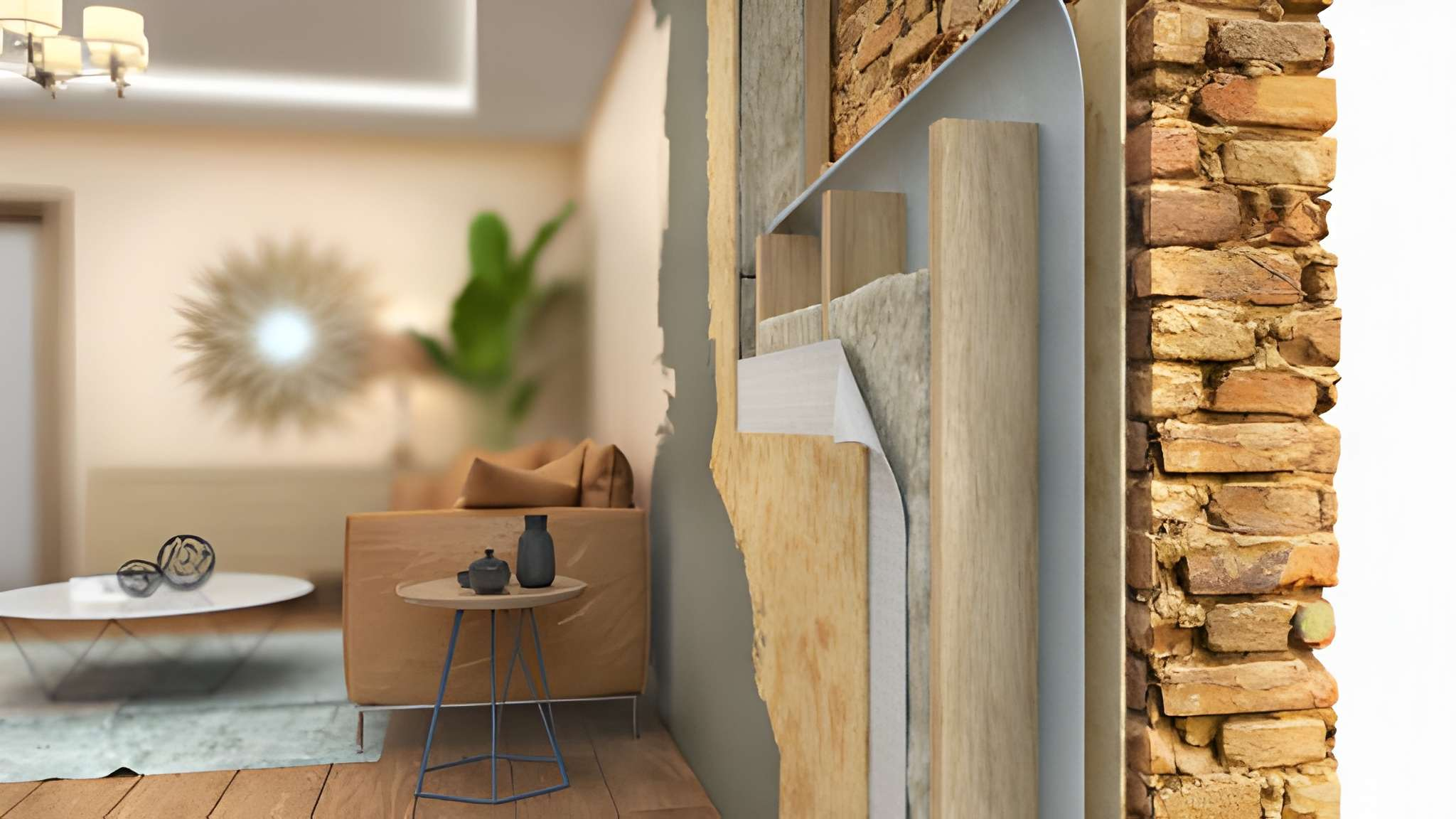
The Invisible Shield: What Is Insulation and Why Your Home Needs It
Imagine wearing a thin t-shirt in the middle of a blizzard. No matter how much body heat you generate, the freezing air steals it away instantly. Now, imagine putting on a thick, down parka. Suddenly, you are warm. The parka didn’t create heat; it trapped it.
In the world of building science, insulation is that parka for your home.
While most homeowners obsess over visible upgrades like granite countertops or hardwood floors, insulation is the unsung hero hidden behind your walls. It is the single most important factor in determining your home’s energy efficiency, comfort, and carbon footprint.
But what exactly is it? How does it work? And with so many options on the market—from pink fluff to expanding foam—how do you know what your home needs?
This guide dives deep into the mechanics of insulation, demystifying the science and helping you make smarter decisions for your wallet and your comfort.
The Science of Comfort: How Heat Flow Works
To understand insulation, you first have to understand the laws of thermodynamics. Don’t worry, we’ll keep it simple.
Nature hates a temperature difference. Heat always moves from warmer areas to cooler areas until there is no longer a temperature difference.
-
-
In the Winter: The heat produced by your furnace desperately wants to escape to the freezing outdoors.
-
In the Summer: The scorching heat from the sun is trying to force its way into your air-conditioned living room.
-
Heat travels in three ways, and insulation helps combat them:
-
Conduction: Heat moving through solid materials (like heat traveling up a metal spoon in hot soup).
-
Convection: Heat moving through liquids and gases (warm air rising to your attic).
-
Radiation: Heat traveling in a straight line and heating anything solid in its path (the sun heating your roof).
Insulation acts as a barrier to heat flow. It slows down conduction and convection, keeping the heat where you want it: inside during winter, and outside during summer.
Insulate Now: Secure Your Free Energy Audit
You've mastered the basics of insulation—now elevate your home with expert help. Our NYSERDA-approved team delivers free assessments, seamless rebate processing, and tailored upgrades that slash energy bills by up to 30%. From attics to walls, we'll maximize your savings. Call or email for your no-obligation audit today.
The Golden Metric: Understanding R-Value
When you shop for insulation, you will see one term plastered everywhere: R-Value.
R-Value stands for Resistance to Heat Flow.
-
The Higher the R-Value: The greater the insulating power.
-
The Lower the R-Value: The faster heat will pass through the material.
Think of R-value like the thickness of a sleeping bag. A sleeping bag rated for 50°F (low R-value) is thin. A sleeping bag rated for -20°F (high R-value) is thick and fluffy.
However, R-value isn’t just about the material; it is about where you live. A home in Florida requires different R-values than a home in Upstate New York. Department of Energy codes generally recommend higher R-values (R-49 to R-60) for attics in colder climates to prevent massive heat loss.
The Insulation Spectrum: Types and Materials
Not all insulation is created equal. Different areas of your home require different materials based on accessibility, budget, and moisture levels. Here are the four main heavyweights in the industry.
1. Fiberglass (Batt and Roll)
This is the “pink cotton candy” you likely picture when you think of insulation. It is made of extremely fine glass fibers.
-
Best For: Unfinished walls, floors, and ceilings.
-
Pros: widely available, relatively inexpensive, and DIY-friendly if you have standard stud spacing.
-
Cons: It can irritate skin and lungs (requires protective gear), and if it is compressed or leaves gaps, its efficiency drops significantly.
2. Cellulose (Blown-In)
Cellulose is an eco-friendly option made primarily from recycled paper products (like newspapers) treated with fire retardants.
-
Best For: Attics and adding insulation to existing finished walls (drilling a hole and blowing it in).
-
Pros: It fills awkward gaps and corners better than fiberglass batts. It is also dense, which helps reduce sound transmission.
-
Cons: It can settle over time, slightly reducing its R-value, and it retains moisture if there is a leak.
3. Spray Foam
The modern powerhouse of insulation. This is a liquid latex or polyurethane foam that expands to fill every crack and crevice.
-
Best For: Attics, rim joists, and new construction.
-
Pros: It offers the highest R-value per inch. Crucially, it acts as both an insulator and an air sealer, stopping drafts that fiberglass allows.
-
Cons: It is significantly more expensive and generally requires professional installation.
4. Rigid Foam Board
Sturdy boards made of polystyrene or polyisocyanurate.
-
Best For: Basements, exterior walls under siding, and cathedral ceilings.
-
Pros: High R-value for its thinness; excellent moisture resistance.
-
Cons: Must be cut to fit exactly; joints must be taped to prevent airflow.
Insulate Now: Secure Your Free Energy Audit
You've mastered the basics of insulation—now elevate your home with expert help. Our NYSERDA-approved team delivers free assessments, seamless rebate processing, and tailored upgrades that slash energy bills by up to 30%. From attics to walls, we'll maximize your savings. Call or email for your no-obligation audit today.
The Benefits: Why Invest in Insulation?
Upgrading your insulation is rarely a visible renovation—you can’t show it off at a dinner party like a new kitchen island. However, the return on investment (ROI) is often superior to cosmetic upgrades.
1. Massive Energy Bill Reductions
This is the primary driver. The EPA estimates that homeowners can save an average of 15% on heating and cooling costs (or 11% on total energy costs) by air sealing their homes and insulating attics, floors, and crawl spaces. In older homes with zero insulation, the savings can be upwards of 30%.
2. Enhanced Comfort
Do you have that one room that is always freezing in the winter? Or do your floors feel like ice blocks in the morning? Proper insulation creates a “thermal envelope,” ensuring consistent temperatures throughout the house, regardless of the weather outside.
3. Noise Reduction
Insulation absorbs sound. Cellulose and mineral wool are particularly good at dampening sound transmission between rooms and blocking out traffic noise from the street.
4. Environmental Impact
By consuming less energy to heat and cool your home, you are reducing the demand on power plants and lowering greenhouse gas emissions. It is one of the most effective ways to lower your personal carbon footprint.
The Cost Factor and Financial Incentives
We have established that insulation saves money, but the upfront cost can sometimes be a barrier for homeowners. Depending on the size of your home and the material chosen, re-insulating a whole house can cost several thousand dollars.
However, you rarely have to pay the full sticker price.
Governments and utility companies are desperate to lower the load on the energy grid, so they often pay homeowners to upgrade their efficiency. If you are looking to make these upgrades, you must investigate local incentive programs.
For example, residents in New York State have access to some of the best incentives in the country. You can significantly offset the cost of your project by utilizing NYSERDA rebates. These programs are designed to make energy efficiency accessible, ensuring that the cost of the “parka” for your house doesn’t leave you out in the cold.
Before you buy a single roll of fiberglass, check your eligibility for these rebates. It could mean the difference between a minor patch-up and a comprehensive, high-performance upgrade.
Insulate Now: Secure Your Free Energy Audit
You've mastered the basics of insulation—now elevate your home with expert help. Our NYSERDA-approved team delivers free assessments, seamless rebate processing, and tailored upgrades that slash energy bills by up to 30%. From attics to walls, we'll maximize your savings. Call or email for your no-obligation audit today.
Where Should You Start? (The SILO Strategy)
If you have a limited budget, you shouldn’t try to insulate everything at once. You need to prioritize the areas where heat loss is most severe.
Priority 1: The Attic
Heat rises. If your attic is poorly insulated, your furnace is essentially pumping heat straight out through your roof. Upgrading attic insulation usually offers the fastest payback period.
-
Check: Look at your attic floor. If you can see the floor joists, you likely don’t have enough insulation.
Priority 2: Basements and Crawlspaces
The “stack effect” pulls cold air in from the bottom of your house to replace the warm air escaping out the top. Insulating the rim joists (where the house meets the foundation) and the basement walls can stop this cold air infiltration.
Priority 3: Exterior Walls
This is the most expensive and invasive upgrade for existing homes, usually requiring “drill and fill” techniques. However, for drafty older homes, it is the final piece of the puzzle for a complete thermal envelope.
Conclusion: The Smartest Home Improvement
Insulation is not sexy. It sits in the dark, dusty corners of your home, unseen and unappreciated. But it is the backbone of a high-performance house.
A well-insulated home is quieter, healthier, more environmentally friendly, and significantly cheaper to run. It transforms a house from a shelter that fights the elements into a sanctuary that manages them.
If your heating bills are climbing or you are tired of wearing socks to bed, it’s time to look behind the walls. Start by assessing your current situation, and remember to check for financial aid like NYSERDA rebates to maximize your investment.
Your home takes care of you; it’s time you returned the favor.
Insulate Now: Secure Your Free Energy Audit
You've mastered the basics of insulation—now elevate your home with expert help. Our NYSERDA-approved team delivers free assessments, seamless rebate processing, and tailored upgrades that slash energy bills by up to 30%. From attics to walls, we'll maximize your savings. Call or email for your no-obligation audit today.


