
Unlocking Home Comfort: Your Complete Guide to Fiberglass Batt and Roll Insulation
Imagine stepping into a home that feels just right—no drafts sneaking through the walls, no skyrocketing energy bills in winter, and a cool escape from summer’s heat. That’s the magic of proper insulation. If you’re a homeowner tired of uneven temperatures or wasteful utility costs, fiberglass batt and roll insulation might be your unsung hero. As someone who’s helped countless families transform their spaces through energy-efficient upgrades, I’ve seen firsthand how this affordable, versatile material can make a world of difference.
In this guide, we’ll dive deep into everything you need to know about fiberglass batt and roll insulation. We’ll cover what it is, why it works so well, how to install it yourself (or hire pros), and tips to avoid pitfalls. Whether you’re retrofitting an older home or insulating a new build, this user-focused resource is here to empower you with practical knowledge. By the end, you’ll feel confident making choices that enhance your comfort, slash energy use, and even qualify for rebates. Let’s get started on creating that cozier, greener home you deserve.
What Exactly Is Fiberglass Batt and Roll Insulation?
At its core, fiberglass insulation is made from tiny glass fibers spun into a lightweight, fluffy material that traps air pockets. These air pockets are the secret sauce—they resist heat flow, keeping your home’s warmth inside during cold months and blocking outdoor heat in summer. It’s one of the most popular insulation types in the U.S., installed in over 70% of homes according to the U.S. Department of Energy.
Now, let’s break down the two main forms: batts and rolls.
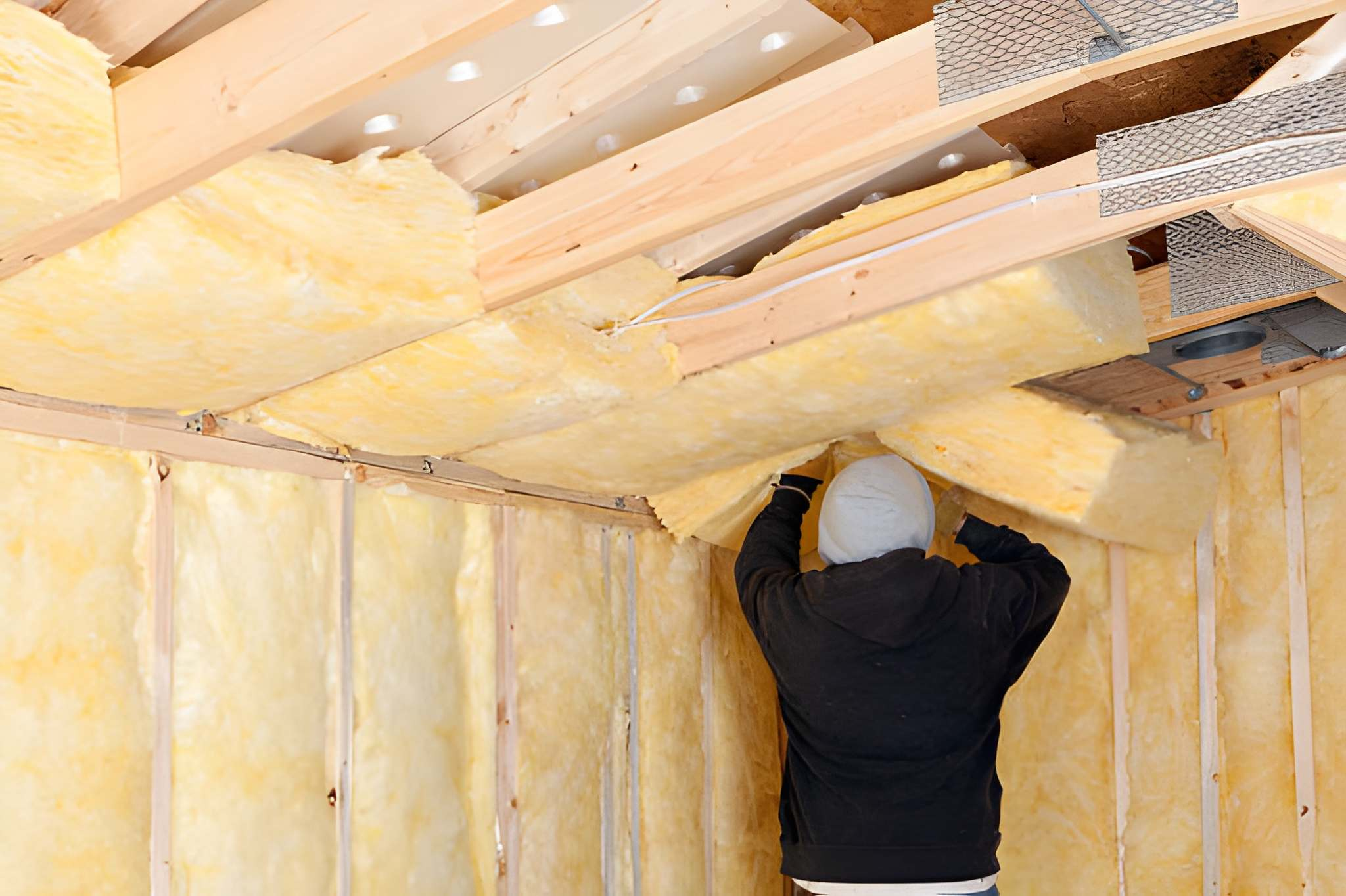
- Fiberglass Batts: These are pre-cut panels, typically 16 or 24 inches wide to fit snugly between standard wall studs or floor joists. They’re like ready-to-install blankets, available in thicknesses from 3.5 inches (for R-11 value, great for exterior walls) to 12 inches (R-38 for attics). Batts come in faced (with a paper vapor barrier) or unfaced varieties, making them ideal for DIY projects where precision matters.
- Fiberglass Rolls: Think of these as uncut sheets that you can slice to fit any space. They’re continuous lengths, often 40 to 70 feet long, and come in widths matching common framing. Rolls shine in large, open areas like attics or cathedral ceilings, where you need seamless coverage without gaps.
Both types are manufactured by trusted brands like Owens Corning or Johns Manville, using recycled glass for an eco-friendly twist. If you’re new to home insulation, check out our beginner’s overview on what insulation is and why your home needs it to build a strong foundation.
The beauty of fiberglass? It’s non-combustible, mold-resistant, and pest-deterrent when installed correctly. But like any tool, its effectiveness hinges on proper use—more on that soon.
Batt Up Your Savings: Book a Free Fiberglass Audit
You've unlocked the power of fiberglass batt and roll insulation—now let's make it seamless. Our certified team specializes in expert installs, rebate navigation, and custom solutions that cut energy costs by up to 25% with NYSERDA incentives. From attics to walls, we'll fit it perfectly. Call or email for your complimentary assessment today.
Why Choose Fiberglass Batt and Roll? The Real Benefits for Your Wallet and Well-Being
You might wonder: With so many insulation options out there, why go fiberglass? It’s simple—it’s a powerhouse for value. Here’s what sets it apart, backed by real-world results.
First, energy efficiency. Fiberglass boasts R-values (a measure of thermal resistance) from R-13 to R-49, depending on thickness. In a typical U.S. home, upgrading to batt insulation in walls can cut heating and cooling costs by 15-20%, per Energy Star estimates. That’s real savings—potentially $200-400 annually for an average family.
Second, comfort and health. These materials create a thermal barrier that evens out room temperatures, reducing hot spots and chills. Plus, they’re treated to minimize airborne fibers, improving indoor air quality. Families with allergies often report fewer issues after installation, as fiberglass doesn’t harbor dust like some older materials.
Third, affordability and ease. At $0.30-$0.50 per square foot, it’s one of the cheapest options upfront. Rolls and batts are lightweight (about 0.5-1 lb per sq ft), so handling them won’t strain your back. And for eco-conscious folks, modern fiberglass uses up to 40% recycled content, lowering your carbon footprint without breaking the bank.
Don’t forget the long-term perks: It lasts 20-30 years with minimal degradation, and proper installation can boost your home’s resale value by 5-7%, according to the National Association of Realtors. If rebates are on your radar, New York State offers incentives through programs like NYSERDA rebates—up to $1,600 for attic insulation alone. It’s a win for your home and the planet.
Of course, benefits shine brightest when paired with whole-home strategies. For instance, combining fiberglass with air sealing can amplify savings by 30%.
How to Choose the Right Fiberglass for Your Home
Selecting batts or rolls isn’t one-size-fits-all—your climate, space, and budget guide the decision. Start with your R-value needs: Use the U.S. Department of Energy’s map to find recommendations (e.g., R-30 minimum for New York attics).
Consider your project:
- Attics and Floors: Go for rolls or full-width batts to cover vast areas without seams. Unfaced is best here to avoid moisture buildup.
- Walls and Ceilings: Batts fit perfectly between studs. Opt for kraft-faced if you’re in a humid area for built-in vapor control.
- Irregular Spaces: Rolls give flexibility; cut them with a utility knife for custom fits.
Thickness matters too—thicker means higher R-value but less headroom in tight spots. Pro tip: Measure twice, buy 10% extra for waste. Brands like CertainTeed offer color-coded packs for easy grading.
If you’re unsure, consult a local energy auditor. Their thermal imaging can reveal hidden leaks, ensuring your investment pays off.
Batt Up Your Savings: Book a Free Fiberglass Audit
You've unlocked the power of fiberglass batt and roll insulation—now let's make it seamless. Our certified team specializes in expert installs, rebate navigation, and custom solutions that cut energy costs by up to 25% with NYSERDA incentives. From attics to walls, we'll fit it perfectly. Call or email for your complimentary assessment today.
Step-by-Step Installation: DIY or Pro? Your Options Explained
Ready to roll up your sleeves? Installing fiberglass is straightforward for handy homeowners, but safety first—wear gloves, goggles, long sleeves, and a mask to dodge itchy fibers.
DIY Batt Installation (For Walls):
- Prep the Space: Clear the area, air-seal gaps with caulk or foam. Ensure studs are dry and plumb.
- Measure and Cut: Friction-fit batts between studs—no stapling needed for unfaced. For faced batts, staple the flange to the studs.
- Secure and Cover: Tuck ends snugly, avoiding compression (it drops R-value by 20%). Finish with drywall.
Time: 4-6 hours for a 500 sq ft room. Cost: $150-300 in materials.
DIY Roll Installation (For Attics):
- Lay Vapor Barrier: Unroll over existing insulation if adding layers.
- Cut and Place: Slice to fit between joists, perpendicular to rafters for layered effect.
- Ventilate: Leave space near the roof for airflow to prevent condensation.
Pro hire? Expect $1-2 per sq ft, including labor. It’s worth it for complex jobs like knee walls. Either way, test for even coverage with a cheap infrared thermometer—aim for under 5°F variance.
Common pitfalls? Over-compressing (loses insulation power) or ignoring electrical boxes (use foam inserts). Get it right, and you’ll feel the difference immediately.
Comparing Fiberglass to Other Insulations: Where It Stands
Fiberglass isn’t the only game—how does it stack up?
| Insulation Type | R-Value per Inch | Cost per Sq Ft | Pros | Cons |
|---|---|---|---|---|
| Fiberglass Batt/Roll | 2.9-3.8 | $0.30-$0.50 | Affordable, easy install, fire-resistant | Itchy to handle, can settle over time |
| Spray Foam | 3.5-7 | $1-$2 | Seals air leaks perfectly, high R-value | Expensive, requires pros |
| Cellulose | 3.2-3.8 | $0.60-$1.20 | Eco-friendly (recycled paper), soundproof | Absorbs moisture if not treated |
| Rigid Foam | 3.8-5 | $0.50-$1 | Moisture-resistant, slim profile | Brittle, needs covering for fire safety |
Fiberglass wins for budget retrofits, but spray foam edges it in airtightness. For sound insulation, pair it with mass-loaded vinyl. Your choice? Balance needs—fiberglass often hits the sweet spot for most.
Batt Up Your Savings: Book a Free Fiberglass Audit
You've unlocked the power of fiberglass batt and roll insulation—now let's make it seamless. Our certified team specializes in expert installs, rebate navigation, and custom solutions that cut energy costs by up to 25% with NYSERDA incentives. From attics to walls, we'll fit it perfectly. Call or email for your complimentary assessment today.
Maintenance and Longevity: Keeping Your Investment Strong
Once installed, fiberglass is low-maintenance. Inspect annually for compression or damage from rodents (rare, but seal entry points). In humid climates, ensure ventilation to sidestep mold—fans and dehumidifiers help.
Over time, slight settling (1-2%) is normal; top off attics every decade. With care, it’ll outlast your mortgage.
Wrapping Up: Insulate Smart, Live Better
Fiberglass batt and roll insulation isn’t flashy, but it’s a reliable workhorse for home comfort. From slashing bills to creating peaceful spaces, it delivers tangible value that lasts. If you’re inspired to act, start small—insulate your attic this weekend. And remember, incentives make it even easier: Explore NYSERDA rebates to offset costs and join the energy-smart crowd.


