
Heat Pump Water Heater Installation in NYC
Water heating costs NYC homeowners between $400-$600 every year. That’s 20% of your total energy bill going just to hot water. If you’re using an old electric or gas water heater, you’re paying way more than you need to.
Heat pump water heaters cut these costs in half. They use 50-70% less energy than standard electric water heaters, and with NYC’s high electricity rates, that means real money back in your pocket every month.
Check For Eligible Rebates
"*" indicates required fields
Our Partners









What Is a Heat Pump Water Heater?
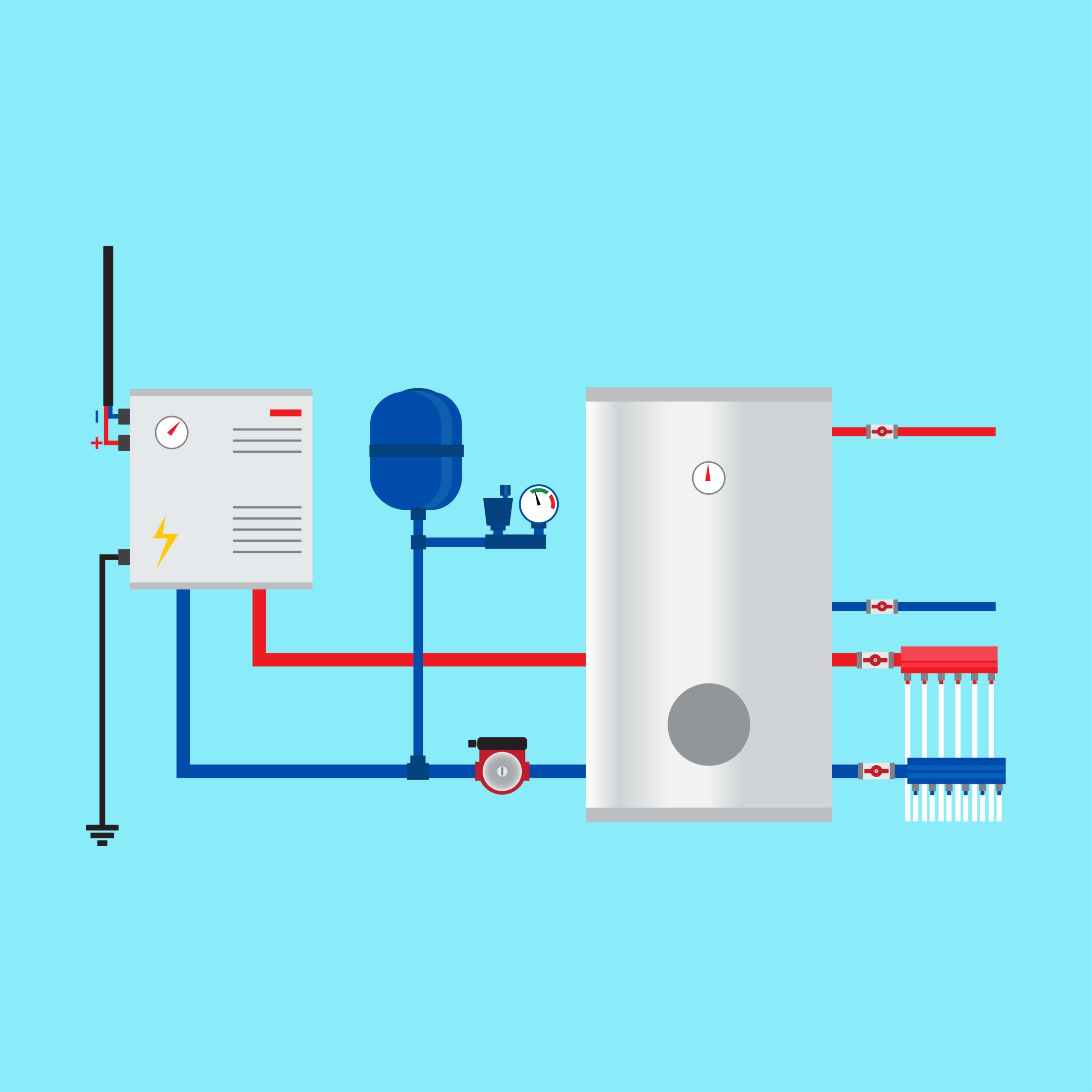
A heat pump water heater pulls heat from the air around it and moves that heat into your water tank. Instead of creating heat from scratch using electricity or gas, it transfers existing heat. Think of it like a refrigerator working backwards.
Here’s how it works: The unit has a fan that pulls in air from your basement or utility room. That air passes over coils filled with refrigerant, which absorbs the heat. A compressor then heats up the refrigerant even more, and that heat gets transferred to your water. The whole cycle repeats continuously.
This process uses far less energy than heating water with electric coils or a gas flame. You get the same hot water, but your energy meter barely moves.
Real Numbers: What You'll Actually Save
Let’s talk specifics. A family of four in NYC using a standard electric water heater spends around $550 per year on water heating. Switch to a heat pump water heater and that drops to about $250-275 annually. That’s $275-300 in your pocket every year.
Over the 15-year lifespan of these units, you’re looking at total savings of $4,100-5,600. Even with higher upfront costs, you break even in 3-4 years, then enjoy pure savings for the next decade.
If you’re currently using oil or propane for water heating, your savings will be even larger. Natural gas users see smaller operational savings, but you still benefit from rebates, tax credits, and eliminating combustion gases from your home.

Does It Work in NYC Winters?
Yes. Heat pump water heaters work fine in cold weather because they’re installed inside your home, usually in the basement. Basements stay between 50-70°F year-round, which is the ideal range for these systems.
The units are rated to work efficiently from 40°F to 90°F. Even if your basement gets chilly in January, the system keeps running. Plus, every residential unit includes backup electric heating elements. If the heat pump can’t keep up during high demand periods, the backup kicks in automatically. You never run out of hot water.
A 50-gallon heat pump water heater easily handles a family of four. You can run multiple showers, do laundry, and run the dishwasher without issues.
Get Your Free Assessment
Our team has installed over 500 heat pump water heaters across all five boroughs. We’re certified through the NYS Clean Heat program and handle all rebate applications for you.
Schedule your consultation today. Call us or fill out our contact form. We’ll answer your questions and show you exactly how much you can save with a heat pump water heater installation.
Installation Requirements
Before you install a heat pump water heater, your home needs to meet a few basic requirements.
Space
These units are taller than regular water heaters (around 6 feet) and need room for air circulation. You need roughly 1,000 cubic feet of surrounding space. Most NYC basements have plenty of room, but measure first.
Electricity
Heat pump water heaters run on 240-volt power. If you're replacing an electric water heater, your wiring is already set up. If you're switching from gas or oil, you'll need a new electrical circuit installed. Any licensed electrician can handle this.
Noise
Heat pump water heaters make a humming sound during operation, similar to a dehumidifier. The noise level is around 40-50 decibels. Position the unit away from bedrooms and living spaces to minimize any disturbance.
Drainage
Like any tank water heater, you need a floor drain or condensate pump nearby for the pressure relief valve and condensation.
Better Air Quality in Your Home
Gas water heaters produce carbon monoxide, nitrogen dioxide, and other combustion byproducts. These gases can affect your indoor air quality and pose health risks if ventilation fails.
Heat pump water heaters eliminate this concern completely. No combustion means no carbon monoxide risk, no gas leaks to worry about, and no exhaust fumes in your basement.
For NYC’s environmental goals, these systems make a significant impact. New York City aims to reduce greenhouse gas emissions by 80% by 2050. Switching residential water heating from gas to electric heat pumps is a major part of that plan. Your individual system prevents roughly 1-2 tons of CO2 emissions annually compared to gas heating.


Why Install Now
Three reasons make 2025 the right time for heat pump water heater installation:
First, incentives are at their peak. The federal tax credit runs through 2025 at 30%, then drops to 26% in 2026 and 22% in 2027. Utility rebates could be reduced if program funding gets exhausted.
Second, NYC energy costs keep climbing. Every month you delay is another month of high water heating bills.
Third, contractor availability is better now than during emergency replacement season. You get better pricing, more equipment options, and can schedule at your convenience.
Frequently Asked Questions (FAQs)
Equipment and installation typically run $1,000-3,000. With rebates and tax credits, your net cost drops to $500-1,500 depending on your specific situation.
Most NYC families save $20-30 per month on their electric bill, totaling $250-350 annually. Exact savings depend on your current water heater type and household usage.
ou need 240-volt service, which most NYC homes already have. If you’re replacing an electric water heater, your existing wiring works. Gas-to-electric conversions need a new circuit installed.
Yes. These units work great in basements that stay 50-70°F year-round. They’re rated down to 40°F and include backup electric heating for extreme situations.
Most installations complete in 4-8 hours, same day. More complex jobs requiring electrical work might take a full day.
It makes a humming sound like a dehumidifier, around 40-50 decibels. Not silent, but not disruptive. Position it away from living spaces and you won’t notice it.
For 1-2 people: 40-50 gallons. For 3-4 people: 50-65 gallons. For 5+ people: 65-80 gallons. Your installer will size it based on your specific usage.