
Unlocking Energy Savings: Your 2025 Guide to Spray Foam Insulation
Imagine stepping into a home where winter chills never sneak through the walls, and summer heat stays firmly outside. Your energy bills shrink without sacrificing comfort, and that drafty attic finally feels like part of the family. This isn’t a dream—it’s the reality for thousands of homeowners who’ve switched to spray foam insulation. As we head into 2025, with rising energy costs and a push for sustainable living, spray foam stands out as a game-changer for modern homes.
If you’re tired of cranking up the thermostat only to watch your utility bills climb, this guide is for you. We’ll dive deep into what spray foam is, why it outperforms traditional options, and how it can transform your space. Drawing from years of industry insights and real homeowner stories, I’ll share practical advice to help you decide if it’s right for your home. Plus, we’ll cover everything from costs to installation, so you can make an informed choice that pays off for years.
Ready to seal the deal on better living? Let’s foam ahead.
What Exactly Is Spray Foam Insulation?
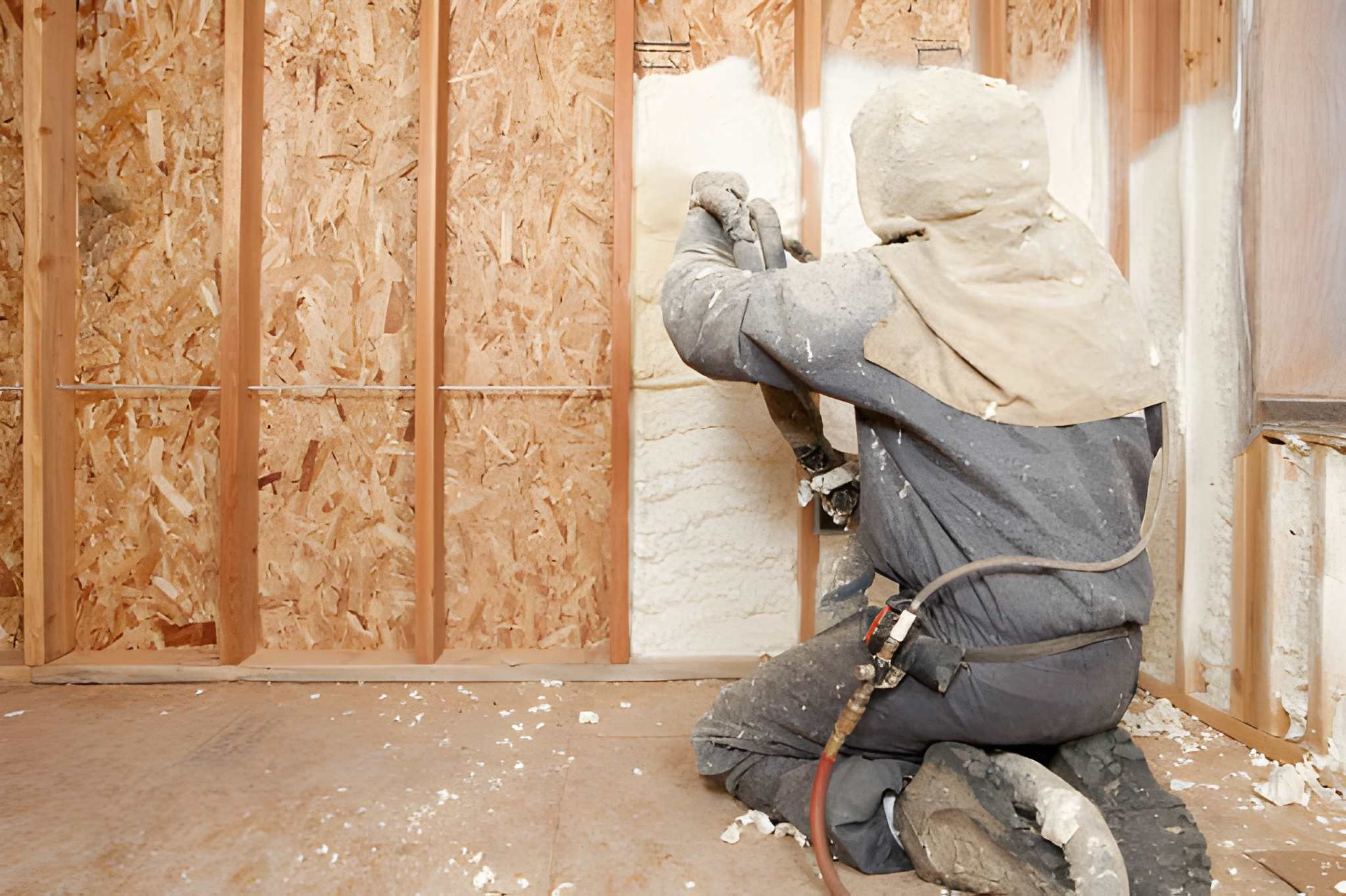
At its core, spray foam insulation is a chemical concoction that expands on contact with air, creating a seamless, airtight barrier. Unlike fluffy batts or loose-fill materials that leave gaps, spray foam is applied as a liquid through a professional spray gun. It then reacts and hardens in seconds, filling every nook and cranny—from wall cavities to attics and crawl spaces.
This magic happens thanks to two key ingredients: polyol resin and isocyanate, which mix at the nozzle to form polyurethane foam. The result? A lightweight yet durable material that bonds to surfaces like wood, metal, and concrete, preventing air leaks that can waste up to 40% of your home’s energy. It’s not just insulation; it’s a smart shield for your home’s efficiency.
For a broader look at why insulation is the unsung hero of home comfort, check out our post on the invisible shield: what is insulation and why your home needs it. It sets the stage perfectly for understanding spray foam’s superpowers.
Open-Cell vs. Closed-Cell: Choosing the Right Type for Your Needs
Spray foam comes in two flavors: open-cell and closed-cell. Each has unique properties, so picking the right one depends on your climate, budget, and goals.
Open-Cell Spray Foam is the lighter option, with an airy, sponge-like structure that allows some moisture and air to pass through. It’s about 0.5 pounds per cubic foot, making it easier (and cheaper) to install. With an R-value of 3.5 to 3.8 per inch—meaning it resists heat flow effectively—it’s ideal for interior walls, attics in mild climates, and soundproofing between floors. Homeowners love it for its flexibility; it expands up to 100 times its liquid volume, squeezing into tight spots without adding much weight.
On the flip side, Closed-Cell Spray Foam is denser (around 2 pounds per cubic foot) and packs a punch with an R-value of 6.0 to 7.0 per inch—nearly double that of open-cell. Its tiny, sealed bubbles create a vapor barrier, blocking moisture and adding structural strength (up to 300% more rigidity to walls). This makes it perfect for basements, roofs, and harsh weather zones where water intrusion is a worry. It even acts as a thermal break, helping downsize your HVAC system by up to 35%.
In 2025, hybrids are trending: combining a thin layer of closed-cell (for moisture control) with open-cell or batts on top for cost savings and added R-value (up to R-44 total). Think of it as layering defenses for ultimate protection.
Pro Tip: In humid areas like New York State, lean toward closed-cell to fend off mold. Always consult a local pro to match your home’s specifics.
Spray On the Savings: Secure Your Free Spray Foam Audit
You've unlocked the 2025 secrets to spray foam insulation—now let's expand those benefits throughout your home. Our expert NYSERDA-certified team delivers precision installs, rebate handling, and tailored foam solutions that seal leaks and slash energy bills by up to 30%. From attics to basements, we'll foam-proof your efficiency. Call or email for your no-obligation assessment today.
The Game-Changing Benefits of Spray Foam for Everyday Living
Why go beyond basic insulation? Spray foam delivers tangible wins that touch every corner of your life.
First, energy savings that hit your wallet hard. By sealing leaks, it can slash heating and cooling bills by 15-50%, with older homes seeing the biggest gains—up to 30% in pre-1990 builds. One homeowner in upstate NY reported dropping her winter gas bill from $300 to $150 after insulating her attic. Payback often happens in 3-7 years, thanks to consistent performance that doesn’t sag or settle.
Then there’s comfort like never before. No more hot spots or cold drafts—spray foam maintains even temperatures, reducing HVAC strain. It also quiets the world outside, with open-cell absorbing noise better than fiberglass. Imagine movie nights without the hum of traffic or creaky floors echoing through the house.
Health perks? It seals out dust, pollen, and pests, boosting indoor air quality. Closed-cell’s moisture resistance prevents mold growth, a silent threat in damp basements. And for eco-conscious folks, it’s a sustainability star: lower energy use means a smaller carbon footprint, aligning with 2025’s green building trends.
Structurally, it reinforces your home against wind and water, lasting 30+ years without maintenance hassles. In storm-prone areas, that’s peace of mind worth every penny.
Demystifying the Installation Process: Step by Step
Wondering what happens on install day? It’s straightforward but best left to pros—DIY kits exist, but precision matters to avoid costly errors.
Prep starts with a home assessment: checking for moisture, wiring, or asbestos in older homes. Then, the team sets up a two-component spray rig, mixing the chemicals on-site for fresh application.
The spray goes on in layers, expanding and curing in minutes. For walls, it’s often “drill-and-fill”: small holes are drilled, foam injected, then patched seamlessly. Attics get a uniform blanket, while crawl spaces receive targeted shots for full coverage. Thickness varies—3.5 inches minimum for open-cell, 2 inches for closed—to meet building codes.
The whole job for a 1,500 sq ft home takes 1-3 days, with minimal disruption. Post-install, air out the space for 24-72 hours to dissipate any odors. Certified installers (look for SPFA credentials) ensure fire-rated foam and proper ventilation.
Your takeaway? Vet contractors thoroughly—ask for references and warranties (often 25+ years). A bad install can lead to voids or off-gassing, but a good one transforms your home.
Spray On the Savings: Secure Your Free Spray Foam Audit
You've unlocked the 2025 secrets to spray foam insulation—now let's expand those benefits throughout your home. Our expert NYSERDA-certified team delivers precision installs, rebate handling, and tailored foam solutions that seal leaks and slash energy bills by up to 30%. From attics to basements, we'll foam-proof your efficiency. Call or email for your no-obligation assessment today.
Spray Foam Costs in 2025: What to Budget For
Money talks, so let’s break it down. In 2025, expect $1.50 to $5.00 per square foot installed, averaging $3,500 for a whole-home project. Open-cell runs $0.40-$0.80 per sq ft for materials, plus $0.50-$1.50 labor; closed-cell jumps to $1.00-$2.00 materials.
Factors? Location (urban NY adds 10-20%), access (tight attics cost more), and scope—a 500 sq ft attic might be $250-$1,000, while full basements hit $500-$1,500. Hybrids save 20-30% by blending types.
The silver lining: Rebates! In New York, programs like NYSERDA offer incentives up to 30% back via tax credits. Head to nyserdarebates.com to see if you qualify—it’s free money for going green.
Spray Foam vs. Traditional Insulation: Head-to-Head
Fiberglass batts? Cheap upfront ($0.42-$2.09/sq ft) but only R-2.9-3.8 per inch, with gaps letting air slip through. Blown-in cellulose fares better for fills but settles over time. Mineral wool resists fire well but lacks spray foam’s seal.
Spray foam wins on performance: 50% better insulation, plus air/moisture barriers traditional options can’t match. ROI? Higher initial cost (75% more than batts) but 2-3x faster payback from efficiency. For noise and durability, it’s unmatched.
Bottom line: If longevity and savings matter, spray foam edges out—especially in retrofits.
Spray On the Savings: Secure Your Free Spray Foam Audit
You've unlocked the 2025 secrets to spray foam insulation—now let's expand those benefits throughout your home. Our expert NYSERDA-certified team delivers precision installs, rebate handling, and tailored foam solutions that seal leaks and slash energy bills by up to 30%. From attics to basements, we'll foam-proof your efficiency. Call or email for your no-obligation assessment today.
Navigating Risks: Stay Safe and Smart
No rose without thorns. Improper install can trap moisture, breed mold, or cause off-gassing from isocyanates, irritating lungs or eyes. Sensitive folks? Test for reactions pre-install.
Insurance hiccups affect 250,000 homes yearly—lenders wary of removal costs ($3,200+). Mitigate by choosing certified pros, getting inspections, and documenting everything.
Keeping It Fresh: Maintenance and Longevity
Good news: Spray foam is set-it-and-forget-it. No sagging means 30-80 year lifespan. Annual checks for cracks or settling suffice; closed-cell’s barrier handles moisture solo.
In humid spots, monitor humidity levels to prevent hidden issues.
Is Spray Foam Your Home’s Next Upgrade?
If drafts plague your space or bills sting, yes—especially with 2025’s focus on resilient, efficient homes. Start with a free energy audit to pinpoint needs.
Your home deserves the best. Explore NYSERDA rebates today and turn “what if” into “wow.” Questions? Drop a comment—I’m here to help you insulate smarter.
Spray On the Savings: Secure Your Free Spray Foam Audit
You've unlocked the 2025 secrets to spray foam insulation—now let's expand those benefits throughout your home. Our expert NYSERDA-certified team delivers precision installs, rebate handling, and tailored foam solutions that seal leaks and slash energy bills by up to 30%. From attics to basements, we'll foam-proof your efficiency. Call or email for your no-obligation assessment today.


