
Air Sealing Services in New York
Comfort, Savings, and Smarter Energy Use
If your home feels drafty in winter, too hot in summer, or your energy bills keep climbing, the problem often isn’t your heating or cooling system—it’s the air escaping through hidden gaps. Air sealing is one of the most effective and affordable ways to improve comfort, lower utility costs, and qualify for NYSERDA-backed energy rebates.
Our air sealing services are designed specifically for New York homeowners—single-family homes, multi-family buildings, condos, and townhouses. We focus on real results, not sales talk: better comfort, healthier indoor air, and long-term energy savings.
Check For Eligible Rebates
"*" indicates required fields
Our Partners









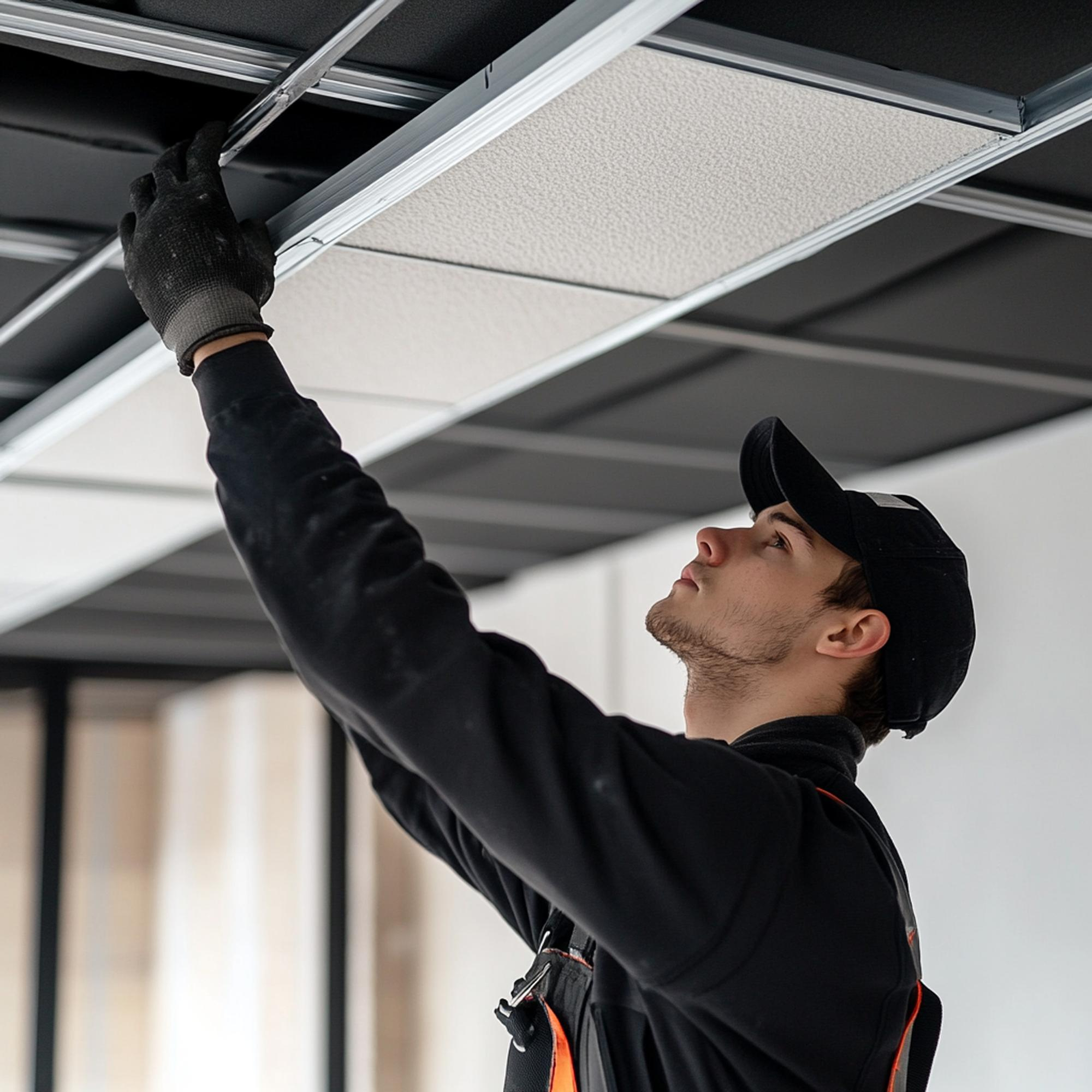
What Air Sealing Actually Means for Your Home
Air sealing is the systematic process of identifying and sealing gaps, cracks, and openings throughout your home’s building envelope—the barrier between your indoor and outdoor environments. Think of your home as a container meant to hold the air you’ve paid to heat or cool. When that container has holes, your HVAC system works harder, your bills climb higher, and comfort becomes a constant frustration.
The building envelope includes everything from your foundation to your roof: walls, floors, ceilings, windows, doors, and all the connections between these components. Professional air sealing doesn’t just address the obvious drafts you feel near windows. It targets the hidden leakage points that cause the most significant energy loss—places you can’t see or easily access without proper training and equipment.
Where Homes Commonly Leak Air (And Why DIY Often Misses Them)
Most homeowners only notice obvious drafts near windows or doors, but those are just a small part of the problem. The biggest air leaks are usually hidden.
- Attic penetrations (wiring, duct chases, plumbing vents)
- Recessed lights and attic hatches
- Rim joists in basements and crawl spaces
- Top and bottom wall plates
- Plumbing and electrical penetrations
- Fireplace surrounds
- Garage-to-house connections
- Dropped soffits and knee walls


Why Air Leakage Matters More Than You Think
Every time conditioned air escapes your home, three problems occur simultaneously. First, you lose the heated or cooled air you’ve already paid for. Second, unconditioned outside air enters to replace it, bringing temperature extremes, moisture, allergens, and pollutants. Third, your HVAC system runs longer cycles trying to maintain your desired temperature, wearing itself out faster while consuming more energy.
The financial impact compounds over time. A typical New York home might lose 25-40% of its heating and cooling energy through air leakage. For a household spending $2,000 annually on heating and cooling, that’s $500-$800 literally vanishing into thin air. Professional air sealing typically reduces this loss by 15-30%, creating savings that continue year after year.
Beyond money, air leakage affects your daily quality of life. Rooms that never quite reach comfortable temperatures. Cold drafts that make relaxing at home unpleasant. Dust that seems to appear no matter how often you clean. These aren’t minor inconveniences—they’re symptoms of a home that isn’t properly sealed.
Taking the First Step: Your Home Energy Assessment
Professional air sealing begins with understanding your home’s specific conditions through a comprehensive home energy assessment. This assessment provides the data and insights necessary to target improvements effectively.
The Professional Air Sealing Process: What Actually Happens
Professional air sealing follows a systematic approach developed through decades of building science research. This isn’t guesswork or applying caulk wherever it seems needed—it’s a data-driven process that identifies, prioritizes, and addresses air leakage comprehensively.
Initial Assessment and Diagnostic Testing
Every professional air sealing project begins with understanding your home's specific issues. Your home is unique, built with particular materials, construction methods, and design choices that affect how and where air leaks occur.
Prioritized Air Sealing Work
Professional air sealing follows the principle of working from the outside in and addressing the largest leakage points first. This systematic approach delivers maximum results efficiently.
Verification Testing and Documentation
After completing air sealing work, professionals conduct another blower door test to measure improvement. This verification testing provides proof of results, showing exactly how much air leakage was eliminated.
Real Benefits: What Air Sealing Delivers
Air sealing creates multiple interconnected benefits that improve your home’s performance, your comfort, and your finances. Understanding these benefits helps you appreciate why air sealing often ranks as the single most cost-effective home improvement available.
- Lower Energy Bills Every Month
- Consistent Comfort Throughout Your Home
- Improved Indoor Air Quality
- Extended HVAC System Lifespan


Qualifying for NYSERDA Rebates
Completing air sealing work as part of a NYSERDA-qualified project can make you eligible for:
- Rebates on air sealing work itself
- Incentives for comprehensive whole-house improvements
- Additional rebates for subsequent upgrades like insulation or HVAC replacement
- Access to low-interest financing programs
Your NYSERDA-approved contractor provides documentation of air sealing improvements as part of your project paperwork, ensuring you receive all available incentives.
Frequently Asked Questions (FAQs)
This concern comes up frequently, but modern building science has developed clear standards that balance energy efficiency with healthy indoor air. Your home needs controlled ventilation, not random air leakage.
Professional air sealing targets uncontrolled leakage while ensuring adequate ventilation through proper systems—bathroom and kitchen exhaust fans, planned fresh air intake, or whole-house ventilation systems when appropriate. Your home will have better air quality with controlled ventilation than it ever had with random leakage bringing in contaminated air from wall cavities and crawlspaces.
Air sealing directly addresses many common comfort complaints:
Cold floors over basements or crawlspaces improve dramatically when rim joists and floor penetrations are sealed, preventing cold air infiltration under your floors.
Drafty rooms become comfortable once the specific leakage points causing the drafts are identified through diagnostic testing and sealed properly.
Rooms that are always too hot or too cold often suffer from air leakage that overwhelms your HVAC system’s efforts. Sealing the leakage allows your system to actually condition those rooms effectively.
Excessive dust decreases significantly because outside air entering through leaks picks up dust, insulation particles, and other contaminants from wall cavities and attics. Stopping these airflows stops the contamination.
Professional air sealing using appropriate materials typically lasts the lifetime of your home. Spray foam doesn’t degrade. Proper caulks and sealants maintain flexibility and adhesion for decades. Duct mastic creates permanent seals that don’t fail like tape.
Some minor maintenance may be needed if you make changes that create new penetrations, but the comprehensive air sealing work remains effective indefinitely.
Professional air sealing creates minimal disruption to your home and daily routine. The work typically requires one to three days depending on your home’s size and the extent of improvements needed.
Attic work stays in the attic. Basement work stays in the basement. Professionals protect floors and work areas, and cleanup is included in the service. Most homeowners continue normal activities during the work, though access to certain areas may be temporarily restricted for safety.
Air sealing work can be completed without removing existing insulation in most cases. Professionals work around existing insulation, moving it temporarily where necessary to access leakage points, then replacing it properly.
In some cases, existing insulation may be damaged, compressed, or moisture-affected and warrant replacement. Your energy assessment will identify these situations so you can make informed decisions about what makes sense for your home.