
Professional Home Energy Audits in New York – Unlock Savings & Rebates
Are high energy costs and uneven temperatures in your New York home frustrating you? A professional home energy audit is the proven first step to identifying hidden inefficiencies and qualifying for valuable upgrades – often at reduced or no out-of-pocket cost through current NYSERDA programs.
As certified NYSERDA-participating contractors, we deliver comprehensive home energy assessments across New York State. Our audits pinpoint where your home loses energy, improve comfort and safety, and open the door to incentives through programs like Comfort Home and EmPower+.
Check For Eligible Rebates
"*" indicates required fields
Our Partners








What Is a Home Energy Audit?
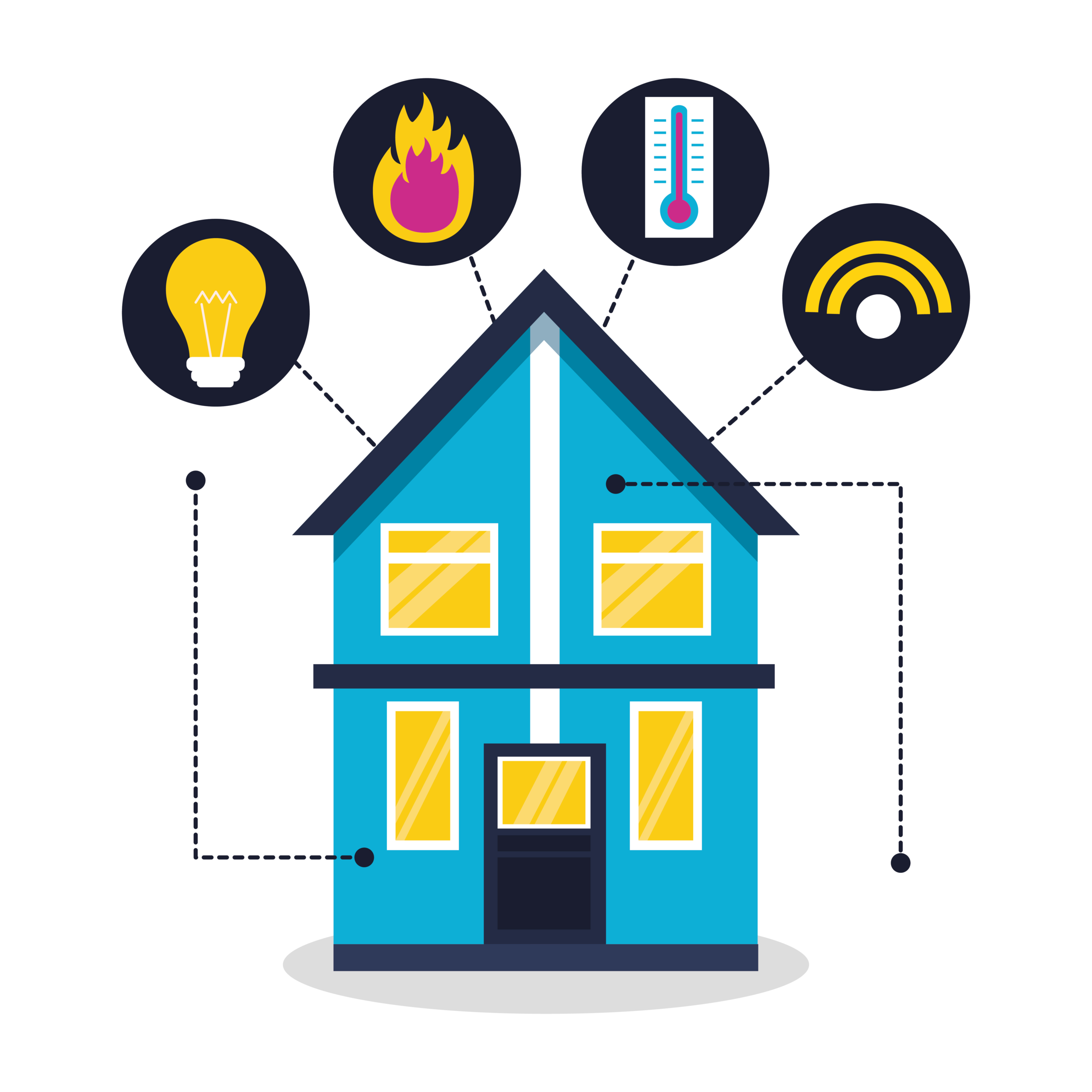
A home energy audit is a comprehensive evaluation of how energy flows through your house. It identifies:
- Where heated or cooled air is escaping
- How well your home is insulated
- Whether your HVAC system is working efficiently
- How air leakage, moisture, and ventilation affect comfort
- Which upgrades will give you the best return on investment
Instead of guessing what improvements you need, an energy audit gives you clear answers backed by testing, measurements, and professional analysis.
Why a Home Energy Audit Matters More Than Ever
Many New York homes—especially older single-family houses, multifamily buildings, and condos—were built long before modern energy standards existed. Over time, gaps, cracks, aging insulation, and inefficient systems quietly drive up energy costs.
- Lower Your Energy Bills: By identifying where energy is wasted, you can fix the root causes instead of relying on short-term solutions.
- Improve Comfort Year-Round: Eliminate cold drafts, hot spots, and rooms that never feel “right.”
- Reduce Your Carbon Footprint: Use less energy while maintaining (or improving) comfort.
- Qualify for NYSERDA Rebates: Most energy efficiency incentives start with an energy audit.
- Make Smart Upgrade Decisions: Avoid spending money on improvements that won’t solve your real problems.


Who Should Get a Home Energy Audit?
A home energy audit is beneficial for almost every homeowner, but it’s especially valuable if:
- Your energy bills feel unusually high
- Your home is older (pre-2000 construction)
- You feel drafts or temperature swings
- Some rooms are always too hot or too cold
- You’re planning insulation, air sealing, or HVAC upgrades
- You want to access NYSERDA rebates
- You’re buying or renovating a home
Whether you live in a single-family home, multi-family building, condo, or townhouse, an energy audit gives you a clear starting point.
Take the First Step Toward a More Comfortable, Efficient Home
A home energy audit isn’t about selling you something—it’s about understanding your home. If you want lower bills, better comfort, and access to NYSERDA-backed incentives, this is where it starts.
We help New York homeowners take informed, confident steps toward energy efficiency—with clarity, transparency, and real results.
What Happens During a Professional Home
Energy Audit?
Our home energy audits follow a structured, professional process designed to uncover hidden inefficiencies without disrupting your home.
Initial Home Assessment
We start by understanding your home’s layout, age, construction type, and comfort concerns. Your real-world experience matters.
Blower Door Test
A blower door depressurizes your home to measure air leakage. This reveals where outside air is entering and conditioned air is escaping.
Infrared Thermal Imaging
Thermal cameras detect temperature differences behind walls, ceilings, and floors—pinpointing missing insulation, air leaks, and moisture issues.
Insulation Evaluation
We check insulation levels in attics, walls, basements, and crawl spaces to see if they meet current efficiency standards.
HVAC & Ventilation Review
We evaluate heating, cooling, and ventilation systems for efficiency, safety, and performance.
What You Receive After the Energy Audit
After the audit, you receive a clear, easy-to-understand report, not a confusing technical document.
- Identified problem areas
- Recommended upgrades in priority order
- Estimated energy savings
- Comfort improvement insights
- Eligibility for NYSERDA rebates and incentives
- Next steps tailored to your home
How Home Energy Audits Connect to NYSERDA Rebates
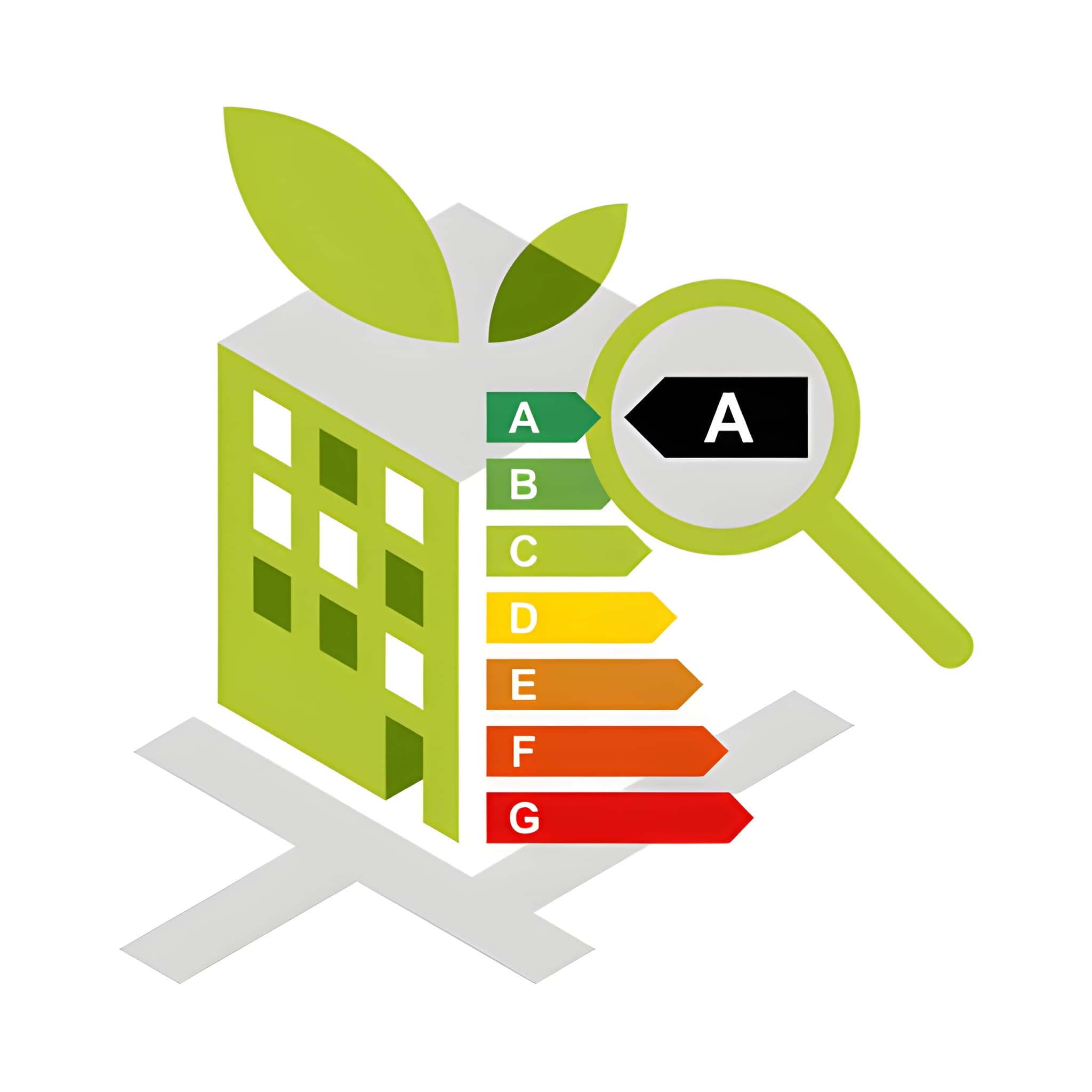
One of the biggest advantages of a professional energy audit is access to New York State incentives.Many NYSERDA residential programs require an energy audit as the first step. These programs can help cover the cost of:
- Insulation upgrades
- Air sealing improvements
- Heat pumps and high-efficiency HVAC
- Weatherization measures
- Energy-saving home improvements
Frequently Asked Questions (FAQs)
A home energy audit is a professional evaluation of how your home uses and loses energy. It identifies air leaks, insulation gaps, inefficient systems, and other issues that affect comfort, energy bills, and overall efficiency. The goal is to show you where improvements will make the biggest difference.
No. While older homes often benefit the most, even newer homes can have insulation gaps, air leakage, or poorly balanced systems. Construction shortcuts, settling, and wear over time can all lead to energy loss—even in relatively new houses.
No. While older homes often benefit the most, even newer homes can have insulation gaps, air leakage, or poorly balanced systems. Construction shortcuts, settling, and wear over time can all lead to energy loss—even in relatively new houses.
Most residential energy audits take 1.5 to 3 hours, depending on the size and complexity of the home. Larger or multi-family properties may take longer.
No. Home energy audits are non-invasive. There’s no drilling, cutting, or damage to your home. You can remain inside during the audit, and normal activities can continue.
Very little preparation is required. We may ask that access to areas like the attic, basement, utility room, and crawl spaces be clear so testing can be done safely and efficiently.
Yes. You’ll receive a clear, easy-to-understand audit report outlining problem areas, recommended improvements, and next steps. The report is designed to help you make informed decisions—not overwhelm you with technical jargon.